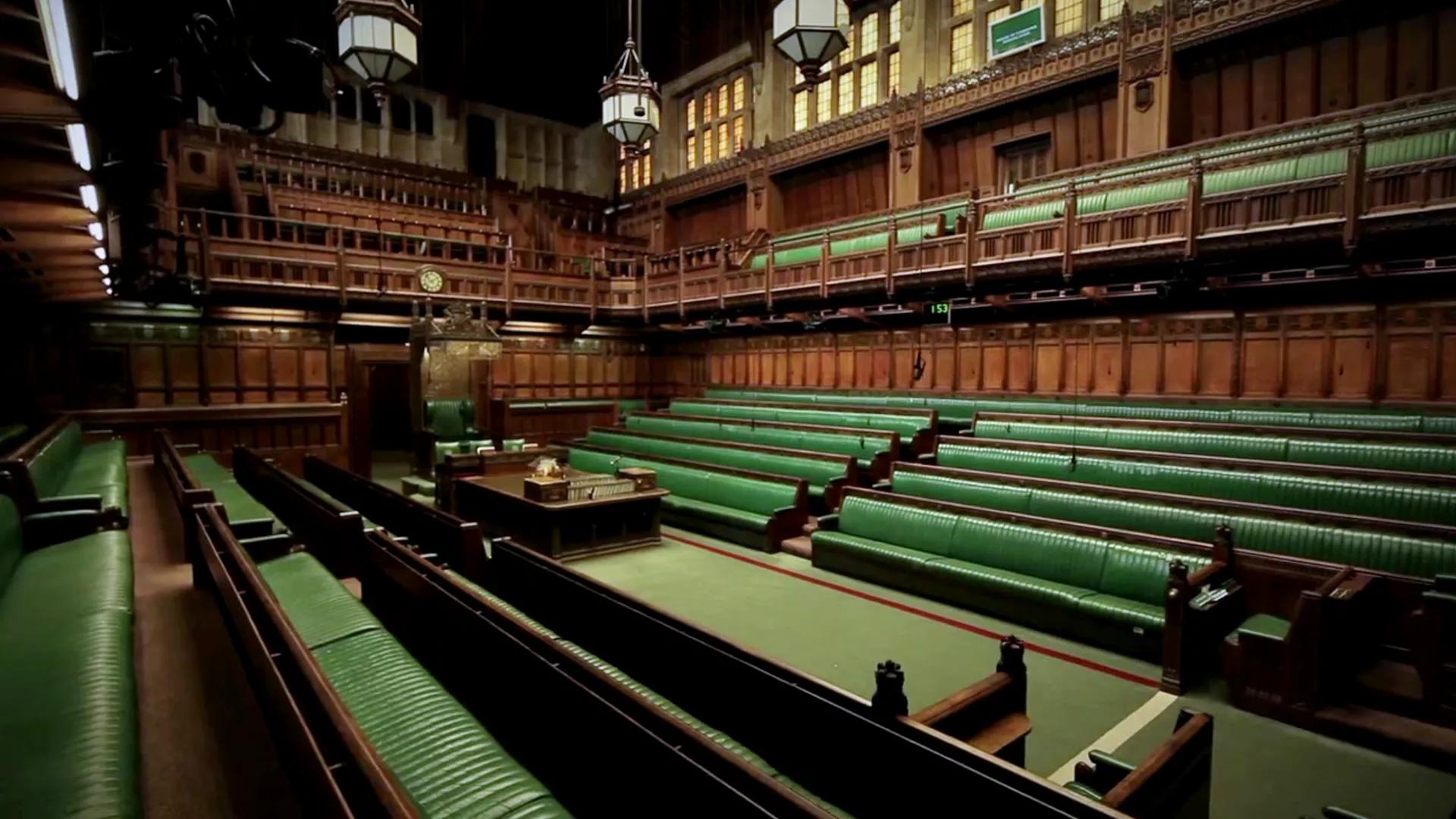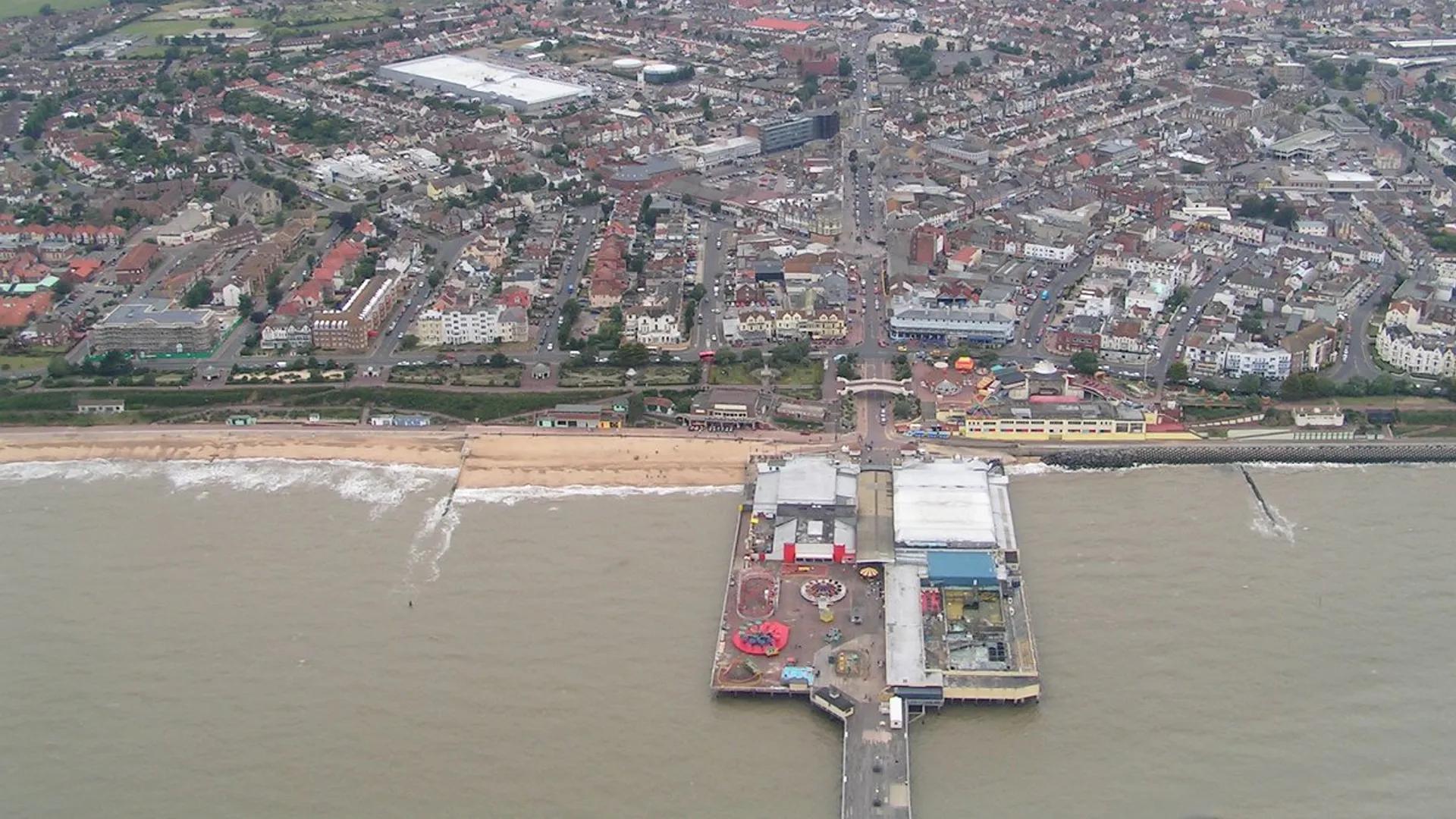
With Nigel Farage’s recent resignation, he has wanted the people of Clacton to judge him. The problem is that much of Westminster has decided it does not want to take part in the trial.
The Reform UK leader resigned as MP for Clacton and triggered a by-election after scrutiny over his finances, donations and support. Farage denies wrongdoing and has said the matter should be put to voters rather than decided by what he sees as a hostile establishment.
The by-election is now due to take place on 13 August 2026. But instead of becoming the full political showdown Farage may have wanted, the contest has taken a stranger turn. The main parties have said they will not stand candidates, leaving Farage likely to face a much thinner field than usual.
The Parties Refusing to Play
Labour and the Conservatives have both rejected the by-election, with other parties also moving away from the contest. Their argument is they see the resignation and re-standing as a political stunt, not a normal by-election that deserves to be treated as a serious national test.
That decision changes the character of the vote. Instead of Farage fighting Labour, the Conservatives, the Liberal Democrats and the Greens in a conventional contest, the major parties are trying to deny him the stage. They are refusing to give the by-election the shape he wants.
It is a calculated move. If they stand, Farage can present himself as taking on the whole political class in front of his own voters. If they do not stand, the contest risks looking less like a people-versus-establishment battle and more like a by-election that most of Westminster has chosen to ignore.
Who Is Farage Running Against?
At the moment, the most visible challenger is Count Binface, the satirical candidate created by comedian Jon Harvey. Binface is unlikely to win, and he has said as much himself, but that may not be the point. His campaign turns the by-election into something more awkward for Farage, because the contest becomes less about defeating a major party and more about whether a serious political figure can avoid being embarrassed by a joke candidate.
There may be other candidates too. Laurence Fox of the Reclaim Party has been mentioned, along with possible candidates from the Monster Raving Loony Party and the Rejoin EU Party. But the absence of the main parties is what matters most. It leaves Farage without the kind of opponent he can most easily use for a direct political clash.
That is why Count Binface matters. Not because he is likely to become the MP for Clacton, but because he changes the tone of the race. A by-election Farage framed as a challenge to the establishment now risks being remembered as a contest where the establishment largely stayed away, and satire stepped into the gap.
Why the Reaction Matters
Farage’s resignation was designed to put the question back to Clacton. He has argued that local voters should decide whether he should continue as their MP, and he will be confident because his 2024 result was strong. He won Clacton with 21,225 votes, taking 46.2% of the vote and a majority of 8,405.
But the response from the major parties suggests they do not see this by-election as the final test. By refusing to stand, they are effectively saying that the more important question is not whether Farage can win Clacton again, but whether any formal process later finds wrongdoing. If that were to happen, the outcome could still have consequences, including the possibility of another by-election being triggered through the recall process.
That makes the current contest unusual. Farage may win, but without the major parties on the ballot, the victory may not carry the same force as a normal by-election win. It becomes harder to claim he defeated Westminster if Westminster refused to turn up, and it leaves the unresolved conduct questions outside the result.
The Real Test in Clacton
Clacton voters still have the final say, and they may decide that they want Farage back. That would be a valid democratic result, especially in a seat where he already won clearly at the general election.
But the reaction to his resignation shows the limits of this strategy. Farage wanted judgement from the people, yet the wider political system has responded by trying not to legitimise the contest. The main parties appear to believe that standing would help him more than hurt him, while also shifting attention back towards the formal process and what it may or may not find.
That leaves the by-election in an odd place. It may return Farage to Westminster, but it may not settle the criticisms that led to it. It may give Clacton a vote, but not the national confrontation he may have wanted. And if the most memorable challenger is Count Binface, the result may end up saying as much about the state of British politics as it does about Nigel Farage.