Newly elected SNP MP Lara Bird has sparked a constitutional row after appearing to cross her fingers while taking the parliamentary oath of allegiance to King Charles III.
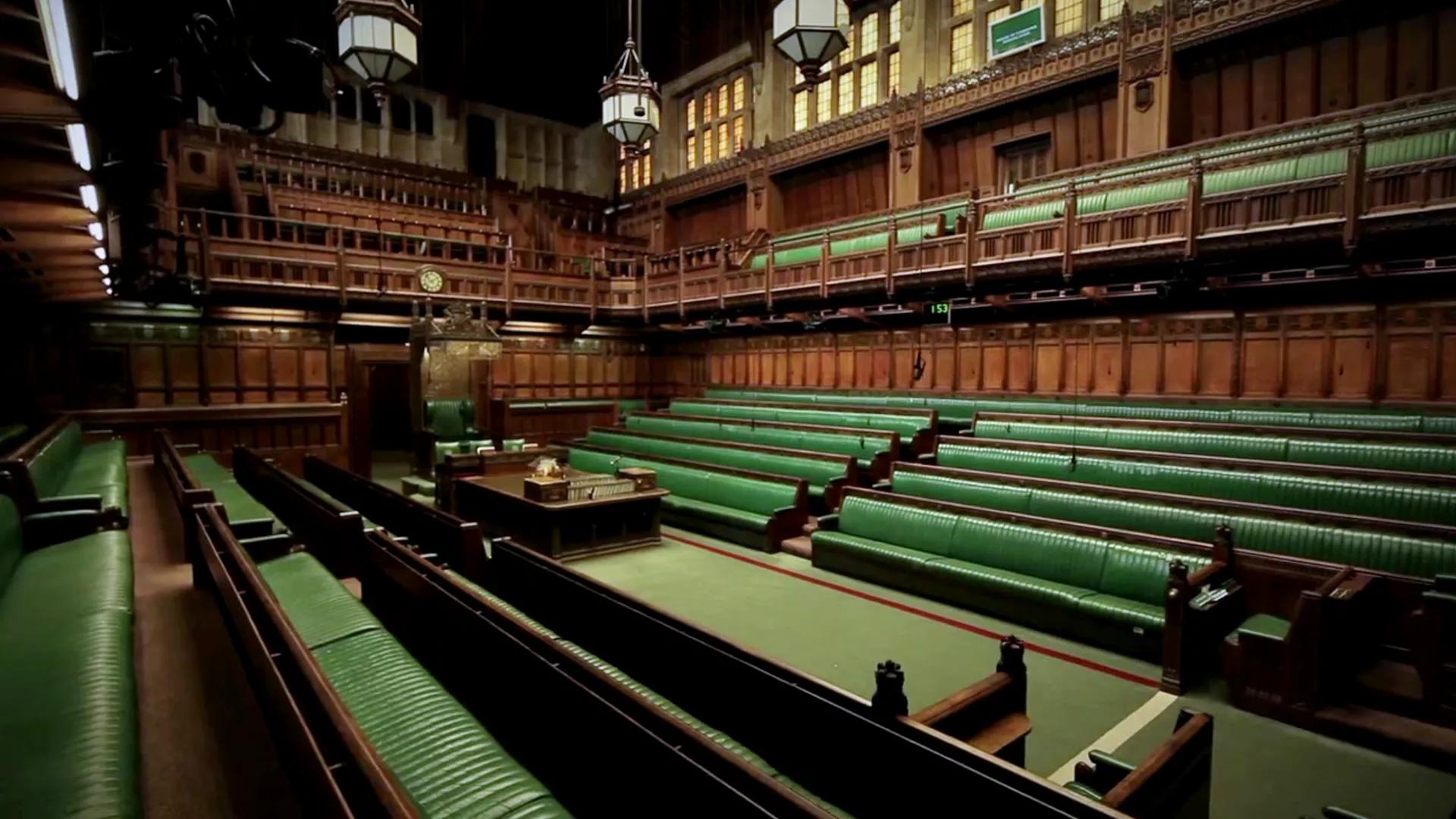
Bird, who won the Arbroath and Broughty Ferry by-election, was sworn in at the House of Commons before taking her seat. During the ceremony, she appeared to make the crossed-fingers gesture while saying the oath required of all MPs before they can sit, speak, vote or receive a salary.
She also made clear that her first allegiance would be to the people of Scotland, a political statement in line with the SNP’s position on Scottish sovereignty and independence. The problem is not that she holds that view. MPs have taken the oath under protest before, including republicans and nationalists who object to swearing allegiance to the Crown.
The issue is whether an MP can take a legally required oath while visibly signalling that the promise is not sincere.
Why the Oath Matters
The parliamentary oath is not just ceremony. MPs must swear the oath or make a solemn affirmation before they can fully take their seat in the House of Commons. Under the Parliamentary Oaths Act 1866 and parliamentary rules, an MP who sits or votes without taking the oath can face a penalty and may have their seat treated as vacant.
That makes the crossed fingers gesture more than a piece of political theatre. Crossed fingers are widely understood as a sign that someone does not mean what they are saying. If that is how the gesture is interpreted, it raises a fair question about whether the oath was taken properly.
The law does not specifically say that crossed fingers invalidate an oath. If Bird said the required words and signed the Test Roll, Commons authorities may decide the legal requirement was met. However, Parliament should not treat the oath as meaningless. If the public can reasonably question whether it was made in good faith, the cleanest answer would be for her to take it again without ambiguity.
Protest Is Different From Mockery
There is a legitimate argument that the current oath is outdated. A modern democratic oath could focus on the constitution, the rule of law and service to constituents rather than personal allegiance to the monarch.
Until the law changes, however, MPs should either take the oath properly or make a formal affirmation. Political protest can be expressed clearly before or after the oath. Making a gesture that appears to undermine the promise itself is different.
Bird was elected to represent Arbroath and Broughty Ferry, and her constituents deserve representation. Asking her to retake the oath would not overturn the election or silence her political views. It would simply confirm that the legal requirement has been met.
The Parliamentary Oaths Act should not be triggered merely because people dislike her politics. It should only matter if the House concludes that the oath was not validly taken.
That is the real question: if an MP appears to signal that an oath does not count, should Parliament simply accept it, or require the oath to be taken again properly?